About This Itinerary
Kuala Lumpur rewards travelers who give it time. The city is a genuine mix of colonial history, living temple culture, world-class wildlife attractions, towers that redefined the skyline, and a food scene that runs from pre-war kopitiams to contemporary seafood restaurants — all within reach of each other. This 3D2N itinerary is designed to cover the range without rushing, giving you enough time at each stop to actually experience it.
ICC Pudu
Merdeka Square
Sultan Abdul Samad Building
River of Life
LoL Soon Kee Dessert
KL Butterfly Park
KL Bird Park
National Monument
Sek Yuen Restaurant
Pavilion KL
THE FACE Suites
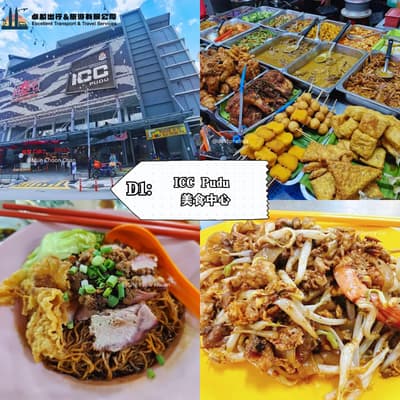
Image credit: Mun Choon Chan, doktor cinta, Sng Yeow Khuan, Benny Lui

Image credit: Merdeka Square, KL
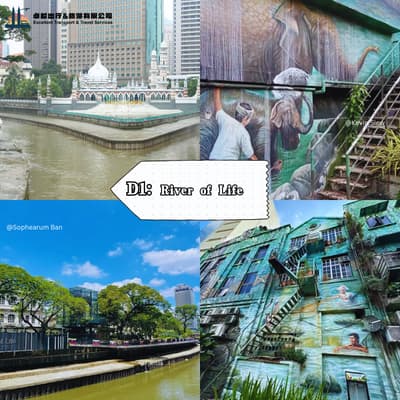
Image credit: Kevin Siew, Sophearum Ban, Sebastian M
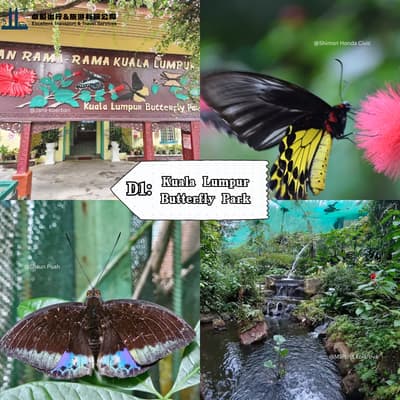
Image credit: Jane Koerban, Shimon Honda Civic, Shaun Puah, Martina Kolářová
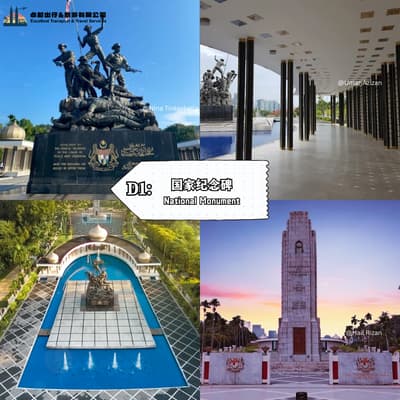
Image credit: Nina Tinkerbella, Umar Azizan, Hail Rizan
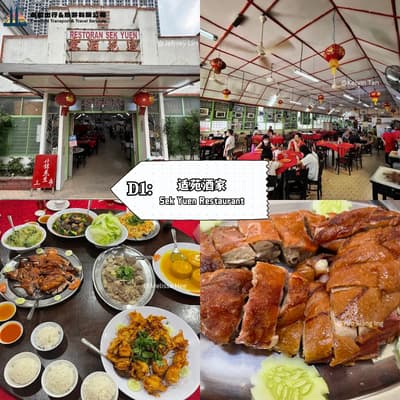
Image credit: Jefrrey Lim, Kelvin Tan, Melissa Hee, Yeo Siang Ing
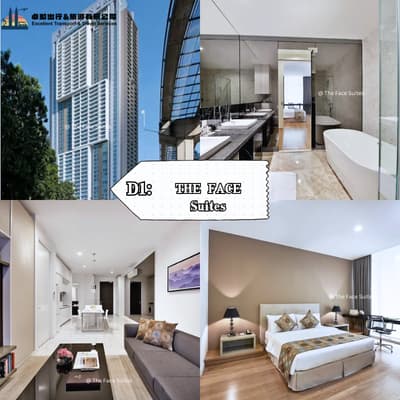
Image credit: The Face Suites
Image credit: Mun Choon Chan, doktor cinta, Sng Yeow Khuan, Benny Lui
Image credit: Merdeka Square, KL
Image credit: Kevin Siew, Sophearum Ban, Sebastian M
Image credit: Jane Koerban, Shimon Honda Civic, Shaun Puah, Martina Kolářová
Image credit: Nina Tinkerbella, Umar Azizan, Hail Rizan
Image credit: Jefrrey Lim, Kelvin Tan, Melissa Hee, Yeo Siang Ing
Image credit: The Face Suites
1 / 7
Arrive in KL and begin at ICC Pudu Food Centre — one of the city's great hawker institutions, where the sheer variety under one roof makes it an ideal first meal. The diversity of dishes on offer is itself a useful introduction to KL's multicultural food identity.
The colonial heart of KL is the first afternoon destination. Merdeka Square is where Malaysian independence was proclaimed in 1957, and the surrounding buildings — particularly the magnificent Sultan Abdul Samad Building with its Mughal-influenced domes and clocktower — represent some of the most striking British-era architecture in Southeast Asia. The River of Life nearby has been transformed into a beautifully lit waterfront promenade that photographs exceptionally well after dark.
The late afternoon moves to the Lake Gardens area: the KL Butterfly Park (the world's largest covered butterfly garden), the magnificent KL Bird Park (over 3,000 birds in a walk-through free-flight aviary), and the National Monument overlooking the gardens. Dinner at Sek Yuen Restaurant — a KL institution since 1948, serving traditional Cantonese food in a time-warped dining room — closes the day before a night browse through Pavilion KL and check-in at THE FACE Suites.
ICC Pudu Hawker
Merdeka Square
KL Bird Park
Sek Yuen Restaurant
Ho Kow Hainam Kopitiam
Central Market
Thean Hou Temple
Village Park Restaurant
Chinatown
Kwai Chai Hong
Zoo Negara
Menara KL
Petronas Twin Towers
Aquaria KLCC
Mid Valley

Image credit: Ho Kow Hainam Kopitiam, GW Chen
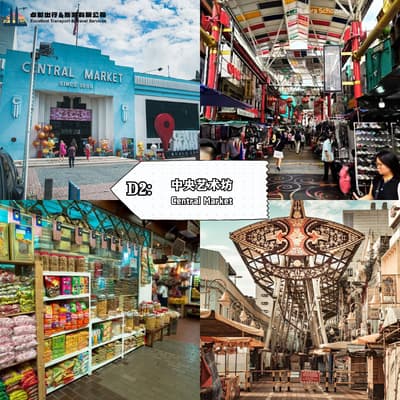
Image credit: Laura Scholten, Charles Tay
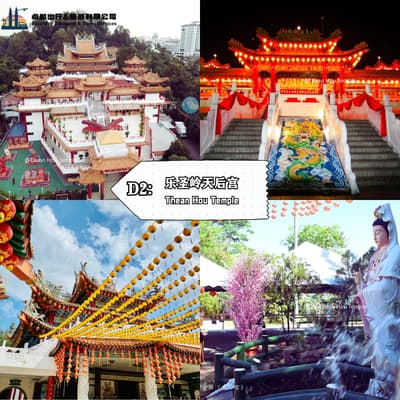
Image credit: Thean Hou Temple

Image credit: LULU EVOX, Simon Kew, Brandon C, Riki Yamashita
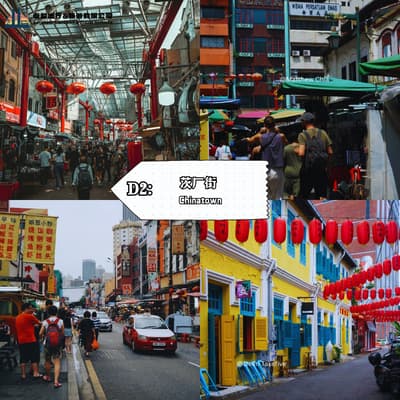
Image credit: Matthew Chia, Deen Takefive
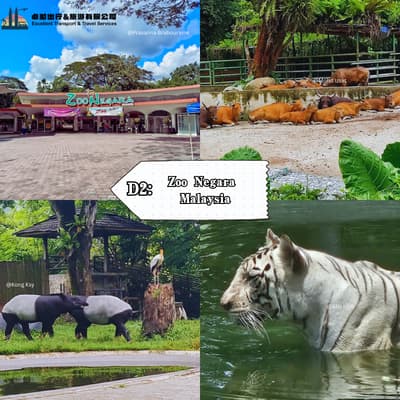
Image credit: Prasanna Brabourame, Mohd Izzat, Kong Ksy, AMI Idris
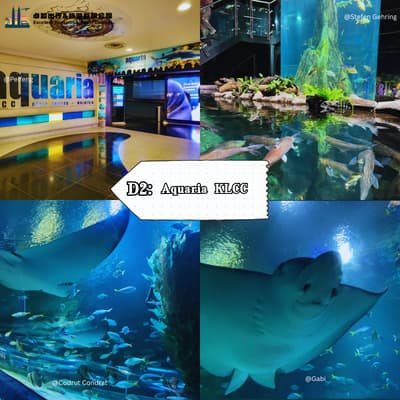
Image credit: Peifeng, Stefen Gehring, Codrut Condrat, Gabi
Image credit: Ho Kow Hainam Kopitiam, GW Chen
Image credit: Laura Scholten, Charles Tay
Image credit: Thean Hou Temple
Image credit: LULU EVOX, Simon Kew, Brandon C, Riki Yamashita
Image credit: Matthew Chia, Deen Takefive
Image credit: Prasanna Brabourame, Mohd Izzat, Kong Ksy, AMI Idris
Image credit: Peifeng, Stefen Gehring, Codrut Condrat, Gabi
1 / 7
Day 2 opens at Ho Kow Hainam Kopitiam in Jalan Dang Wangi — one of Kuala Lumpur's oldest surviving traditional kopitiams, where the toast, soft-boiled eggs, and coffee have been served in the same unhurried way for decades. The start of the day is worth protecting from unnecessary rushing.
Central Market follows for a browse through local crafts, batik, and Malaysian cultural goods under the Art Deco building's distinctive green roof. Thean Hou Temple, perched on Robson Hill with city views spreading below its six-tiered structure, is one of KL's most photographed religious sites — more dramatic in scale than most visitors expect. Village Park Restaurant in Damansara Uptown is the lunch destination: their nasi lemak, with fragrant coconut rice and superbly crispy fried chicken, is regularly cited as among the best in KL.
The afternoon moves through Chinatown (Petaling Street) and the atmospheric Kwai Chai Hong heritage lane, before Zoo Negara for Malaysia's national zoo — a full afternoon's worth of wildlife with pandas, proboscis monkeys, and excellent bird sections. The evening is entirely KL landmark territory: city views from Menara KL, the mandatory Twin Towers photos, Aquaria KLCC for an underwater journey beneath KLCC Park, and a night browse at Mid Valley Megamall before dinner at Hokkaido Seafood KL.
Hainanese Kopitiam
Thean Hou Temple
Village Park Nasi Lemak
Twin Towers
Ah Weng Koh Hainan Tea
Batu Caves
Sin Sze Si Ya Temple
Kam Fatt Restaurant
Malaysia Titbits & Dry Fruits
Nan Yang Taste
Wang Zi Native Products
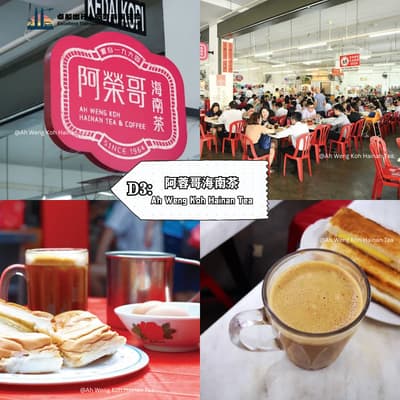
Image credit: Ah Weng Koh Hainan Tea
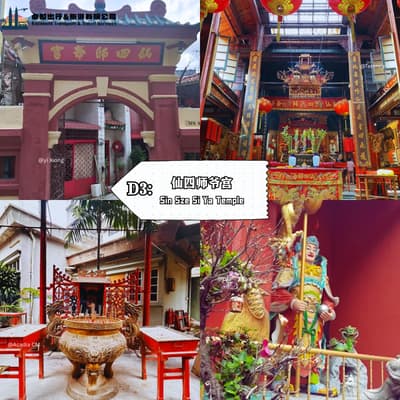
Image credit: yi Xiong, Terence, Acadia CM, Brahim Aymen
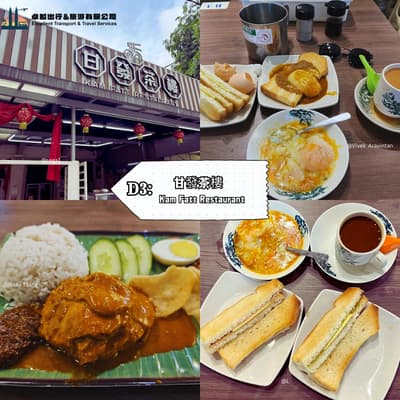
Image credit: sega1, Vivek Aravintan, Risky Tsang, L
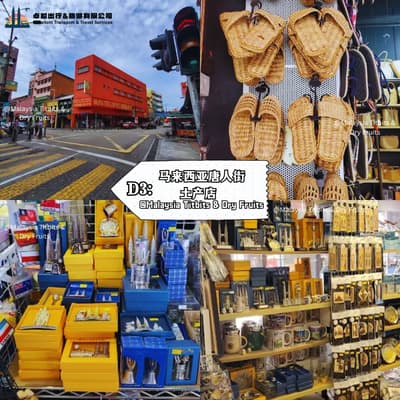
Image credit: Malaysia Titbits & Dry Fruits
Image credit: Ah Weng Koh Hainan Tea
Image credit: yi Xiong, Terence, Acadia CM, Brahim Aymen
Image credit: sega1, Vivek Aravintan, Risky Tsang, L
Image credit: Malaysia Titbits & Dry Fruits
1 / 4
The final morning begins at Ah Weng Koh Hainan Tea in Jalan Ipoh — a legendary old-school kopitiam that has been operating since 1955. The coffee here is the original thick, dark preparation that defined Malaysian morning culture long before anyone had heard of specialty coffee. It is the kind of place that deserves your full and unhurried attention.
The main event of Day 3 is Batu Caves, the extraordinary Hindu temple complex set within a massive limestone hill 13 kilometres north of the city centre. The 272 steps leading to the main cave are steep and often crowded, but the cavern at the top — with its vaulted limestone ceiling and active temple shrines — is genuinely spectacular. The 43-metre golden Murugan statue at the base is one of the most photographed images in Malaysia. Plan at least 1.5 to 2 hours here.
Back in the city, Sin Sze Si Ya Temple in Chinatown — KL's oldest Chinese temple, founded in 1864 — provides a quieter, more contemplative contrast to Batu Caves' scale and spectacle. Lunch at Kam Fatt Restaurant, then the souvenir run: Malaysia Titbits & Dry Fruits, Nan Yang Taste Enterprise, and Wang Zi Native Products all stock the kind of packaged Malaysian snacks, dried goods, and local products that make genuinely good gifts and travel provisions.
Old-School Kopitiam
Batu Caves
Sin Sze Si Ya Temple
KL Souvenirs